











null

Your Mini Cart

Baby Carrier Fit Guides & Safety Checks

Baby Carrier Fit Guides & Safety Checks

Correctly fitting your baby carrier can be the difference between using it all the time or having it gather dust at the back of the cupboard because it's "uncomfortable". But if you're new to baby carrying, have a new carrier or if you don’t have the confidence and knowledge of how to change the fit, you may end up putting the entire babywearing experience in the too hard basket – which would be a real shame as it can be one of the best tools in your parenting toolbox!

To help you feel confident that you are using your carrier correctly please check out the below safety and fitting advice so you can make the most of your carrier and explore the world (or home) with your baby.

Baby Carrier Safety Checks

  To keep baby safe:

  1. Baby should be close enough to kiss (the top of their head)
  2. Baby should be positioned high on the chest of the wearer with their head resting by your collarbone, away from the squishy part of your chest and off any soft clothing. This will often mean wearing the waistband higher around your ribs than you expected to.
  3. Baby’s face should be visible at all times - with nothing covering their face.
  4. Baby's airways should be clear at all times and their face needs to be turned to one side for ease of breathing.
  5. The carrier should be firm fitting - when the wearer leans forward, the baby should stay close to your chest. If they move away, the carrier is too loose and you need to re-tighten the carrier.
  6. Baby's back and hips should be well supported through the carrier, with no wrinkles or excess bunching of the carrier fabric. Keep their hips higher than their bottom and in a spread squat position (or ‘M’ shape) for healthy hip development and comfort.


Watch Coralie, Babywearing Consultant at The Sleep Store as she demonstrates baby carrier safety checks.


*Please note, this videos shows the safety and fit checks with a Boba Bliss carrier, however, they can be applied to any soft-structured baby carrier.

Boba Bliss Safety Checks by The Sleep Store

Coralie, Certified Babywearing Consultant at The Sleep Store demonstrates baby carrier safety with the Boba Bliss hybrid carrier. The safety checks in this demonstration can be applied to any soft structured baby carrier. To keep baby safe: 1. Baby should be close enough to kiss (the top of their head) 2. Baby should be nice and high on the wearer - off the soft part of your body and off any soft clothing 3. Baby should be visible at all times - with nothing covering their face 4. Baby's airways should be clear at all times 5. The carrier should be firm fitting - when the wearer leans forward, the baby should stay close to your chest. If they move away, the carrier is too loose and you need to re-tighten the carrier. 6. Baby's back and hips should be well supported with hips up for healthy hip development and comfort.

https://i3.ytimg.com/vi/h2Ehd-qaL6M/maxresdefault.jpg

2023-14-08

PT0M36S

The Sleep Store

https://cdn11.bigcommerce.com/s-ejs8jv4vgh/images/stencil/239x52/logo-small_1582001262__84777.original.jpg

https://www.youtube.com/watch?v=h2Ehd-qaL6M


How to do the pelvic tuck/tilt in a baby carrier


To ensure a comfortable fit and good hip development babies need to be positioned correctly in a baby carrier. The baby's tailbone should be at the lowest point with their legs in the "M" position, higher than their bottom. This also helps ensure baby's head naturally rests on your chest rather than flopping backwards. Having your baby correctly positioned is also more comfortable and ergonomic for the wearer – especially as they become heavier! Our Baby Wearing consultant, Coralie demonstrates below how to do the pelvic tuck.

How to do the pelvic tuck/tilt with a baby carrier

To ensure a comfortable fit and good hip development baby's need to be positioned correctly in a baby carrier. The baby's tailbone should be at the lowest point with their legs in the "m" position, higher than their bottom. This also helps with baby's head positioning, meaning it's naturally resting against you. Having your baby correctly positioned is also more comfortable and ergonomic for the wearer. The Sleep Store's baby wearing consultant, Coralie demonstrates how to do the pelvic tuck.

https://i3.ytimg.com/vi/xfEJBVVFmEc/maxresdefault.jpg

2023-15-08

PT0M11S

The Sleep Store

https://cdn11.bigcommerce.com/s-ejs8jv4vgh/images/stencil/239x52/logo-small_1582001262__84777.original.jpg

https://www.youtube.com/watch?v=xfEJBVVFmEc


Need a baby carrier fit check?

Here at The Sleep Store we're passionate about baby wearing! That's why we offer free 30 minute consultations with our qualified baby-wearing consultants. If you're not sure about the fit of your current carrier or are looking for a new carrier and want to try some options, book a consultation with us. In-person consultations of carriers purchased from us are available at our warehouse or we offer virtual consults over Zoom if you can't get to our Auckland Warehouse. Bookings are essential.


Find out more about our Baby Carrier Consults >


Baby Carrier Fit Guides & Safety Checks | The Sleep Store

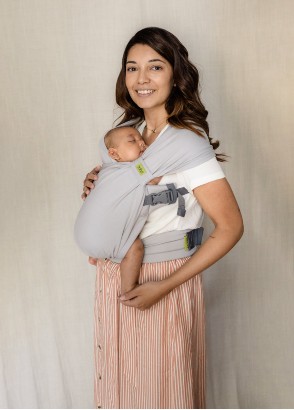
Mum standing with young baby asleep in a grey Boba Bliss baby carrier