









null

Your Mini Cart

Choosing a Baby Carrier to Suit Your Lifestyle

Choosing a Baby Carrier to Suit Your Lifestyle

With so many baby carriers available, it can be hard to know where to start. Wraps, slings, buckle carriers and hiking carriers all offer different benefits.

Instead of trying to find the single "best" baby carrier, it can help to think about how you plan to use it in everyday life and at what stage you want to use your carrier. Knowing how and when you plan to use the carrier can help you find the right one, however, there may be more than one carrier that suits your needs.

It's a bit like choosing shoes; you wouldn't go for a brisk walk in a pair of stiletto's, you'd wear sneakers and you wouldn't wear your coveted boots around the house or on a rainy school drop off. Carriers are the same, there isn't one carrier that is perfect for everything. Some styles are better suited to different uses, not to mention that carriers can have very different looks from fashionable to sporty.

So, if you think about your lifestyle and when you want to use your carrier, you'll have an easier decision in choosing the right style. Whether you're looking for a soft, cosy carrier for the newborn stage at home or something more supportive for light workouts or long walks, there is a style for every use. Many families find that having more than one carrier is more suited to their needs, especially if they're an active family or want something specifically newborn friendly. Understanding your lifestyle can make choosing the right baby carrier much easier.

If you're new to babywearing, you might also find our guide to babywearing with a newborn helpful.


A Cosy Carrier for the Newborn Months

In the early weeks and months, many parents simply want a carrier that is super comfy and allows them to keep their baby close while still having their hands free.


Newborns often find babywearing calming because it mimics the warmth and movement they experienced in the womb, plus they can hear their mothers heartbeat when they are worn on mum’s chest. Being carried can help parents manage everyday tasks and promote bonding for Dads with their newborns.


Carriers that are often popular for the newborn stage include:

Stretchy wraps

These soft fabric wraps are tied around your body and hold your baby snugly against your chest. They are often loved for the newborn months because they feel soft and supportive and you can easily sit down whilst wearing the carrier. They are also comfy enough to wear all day and just pop your newborn in and out when needed.


Shop Stretchy Wraps >

Hybrid carriers

These provide similar closeness to a wrap but can be slightly quicker and easier to put on. Many families use this type of carrier mainly during the first few months, when babies are small and often happiest being held close. These require less learning than a stretchy wrap and will generally last a bit longer in terms of their weight range.

Shop Hybrid Carriers >

Woman holding a baby in a boba stretchy wrap carrier outdoors among autumn leaves.

A Carrier for Getting About & About Everyday

As babies grow, and parents want to get out more, many start looking for a carrier that works well for daily routines, allowing them to get out and about quickly and easily. This might include:


  • Walking the dog
  • School drop-off
  • Grocery shopping
  • Trips to the park
  • Settling a tired baby on the go

For these situations, many families choose a soft structured baby carrier, which uses buckles and adjustable straps to help distribute your baby’s weight across your hips and shoulders. These are usually more supportive as your baby gets heavier. This style of carrier usually offers multiple carry positions, such as back carrying or child facing outwards.

The Half Buckle is an excellent alternative, with easy buckle waist and tie straps. These avoid the fixed position that straps buckle onto the carrier and may be more comfortable for some people.

Buckle carriers come in a wide range of sizes and styles, from aesthetic fashion styled carriers to more traditional carriers with adjustable panels and padded straps. Take care to choose one that genuinely fits from newborn if you are wanting to use it with a small baby, as many one size fits all buckle carriers are not a good fit until 8-12 weeks.


Shop Buckle Carriers >


A Carrier for Active Lifestyles

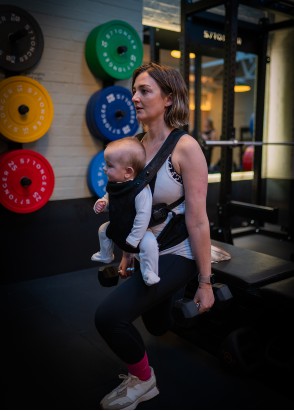
If you enjoy working out, brisk walks or spending lots of time outdoors, a specially designed athleisure carrier with additional support and with breathable fabrics can make a big difference.

Carriers designed for longer, more active outings tend to have:

  • Better waist support
  • Superior back support and weight distribution
  • Supportive shoulder straps
  • Breathable, sports type fabrics
  • Good support for older babies or toddlers

Some parents continue using their soft structured buckle carrier for outdoor walks, but if you’re planning to do light exercise, an athleisure carrier might be better.


Shop Carifit >


A Carrier for Hiking

If you’re a serious hiker; we’re talking a few hours in the bush or overnight tramps and you have a larger baby or toddler, a framed, hiking carrier may be a better option.

Hiking carriers are designed for longer hikes, across tricky terrain rather than shorter, easier walks such as along the beach or quick, loop tracks.

These carriers tend to have:

  • Extra storage
  • Built in sunshades
  • Fully framed


Shop hiking carriers >


A Quick Carrier for Short Trips

Sometimes you just need a carrier that’s quick to put on and easy to adjust.

This can be helpful when:

  • Popping into a café
  • Dropping older children at daycare or school
  • Navigating airports & trains when travelling
  • Carrying a baby or toddler who likes frequent ups and downs

Ring slings are great for these shorter carries. They are lightweight, compact and quick to adjust, which makes them easy to keep in your bag when you need them. Many parents find ring slings especially useful once their baby becomes more curious and wants to look around.

For toddlers, a specially designed Hip Carrier or Carrying Aid may be easier than a ring sling. Whilst hip carriers aren't true hands-free carriers, because they don't have a back panel and require your arm around your toddlers back to support them, they are handy for when your toddler runs out of steam and refuses to walk.


Shop Toddler Carriers & Carrying Aids >


Your Baby Carrier Needs May Change Over Time

It's perfectly normal to use different baby carriers at different stages, particularly when you think about newborn vs toddler needs or active vs at-home needs.

Common reasons for purchasing more than one carrier include:

  • A stretchy wrap for use at home during the newborn months
  • A structured carrier for everyday outings, such as short walks, navigating the supermarket
  • A supportive, lightweight carrier for active lifestyles
  • A hip carrier for toddlers who just need a little bit of help when tired

As babies grow and become heavier, more structured support can become even more important especially as you think about how active you are likely to be when wearing the carrier.

Shop all baby carriers >


Babywearing Safety

When used correctly, baby carriers are a safe way to keep your baby close while staying hands-free.

It's important to remember:

  • High
  • Tight
  • In sight

You can read more about safe babywearing in our guide to babywearing safety and positioning.


Help with Finding the Right Baby Carrier

There is no single baby carrier that works for every situation. Think about your lifestyle, where, when and how often you're likely to use your carrier.


If you would like to try a carrier before you buy (which we highly recommend), book a babywearing consultation at our Auckland Warehouse. If you're outside of Auckland, try a local babywearing group or sling library or book a Zoom consultation for help with fitting.


Recommended Articles

Choosing a Baby Carrier to Suit Your Lifestyle

Mum carrying baby outward facing on front in a carifit core carrier whilst lifting weights.